

Zoho One for the Service Industry
Why Choosing the Right Zoho Implementation Partner Matters More Than the Tool Itself
Zoho One brings everything together under one roof, offering service businesses a unified system to manage operations efficiently, improve visibility, and scale with confidence.
The Challenges Facing the Service Industry.
Service organizations face a unique set of challenges compared to product-based businesses.
Operations are people-driven, timelines are dynamic, and customer expectations are high.
Some of the most common challenges include:
➤ Customer and lead data spread across spreadsheets, emails, and messaging apps
➤ Manual follow-ups and task tracking that depend on individuals
➤ Limited visibility into ongoing services, revenue, and team performance
➤ Delays in billing, approvals, and service delivery
➤ Difficulty scaling operations as the client base grows
These challenges don’t come from a lack of effort—they come from a lack of structure and connected systems.
Why Service Businesses Struggle Without a Unified System.
When sales, service, finance, and operations work in silos, inefficiencies become part of daily life.
Teams duplicate work, information gets lost, and decision-making becomes reactive instead of planned.
Without a unified system:
➤ Sales teams lack visibility into service delivery
➤ Service teams don’t have full client context
➤ Finance teams struggle with mismatched data?
➤ Management spends time chasing reports instead of analyzing them

Zoho One for the Service Industry: Bringing Every Function Under One Roof
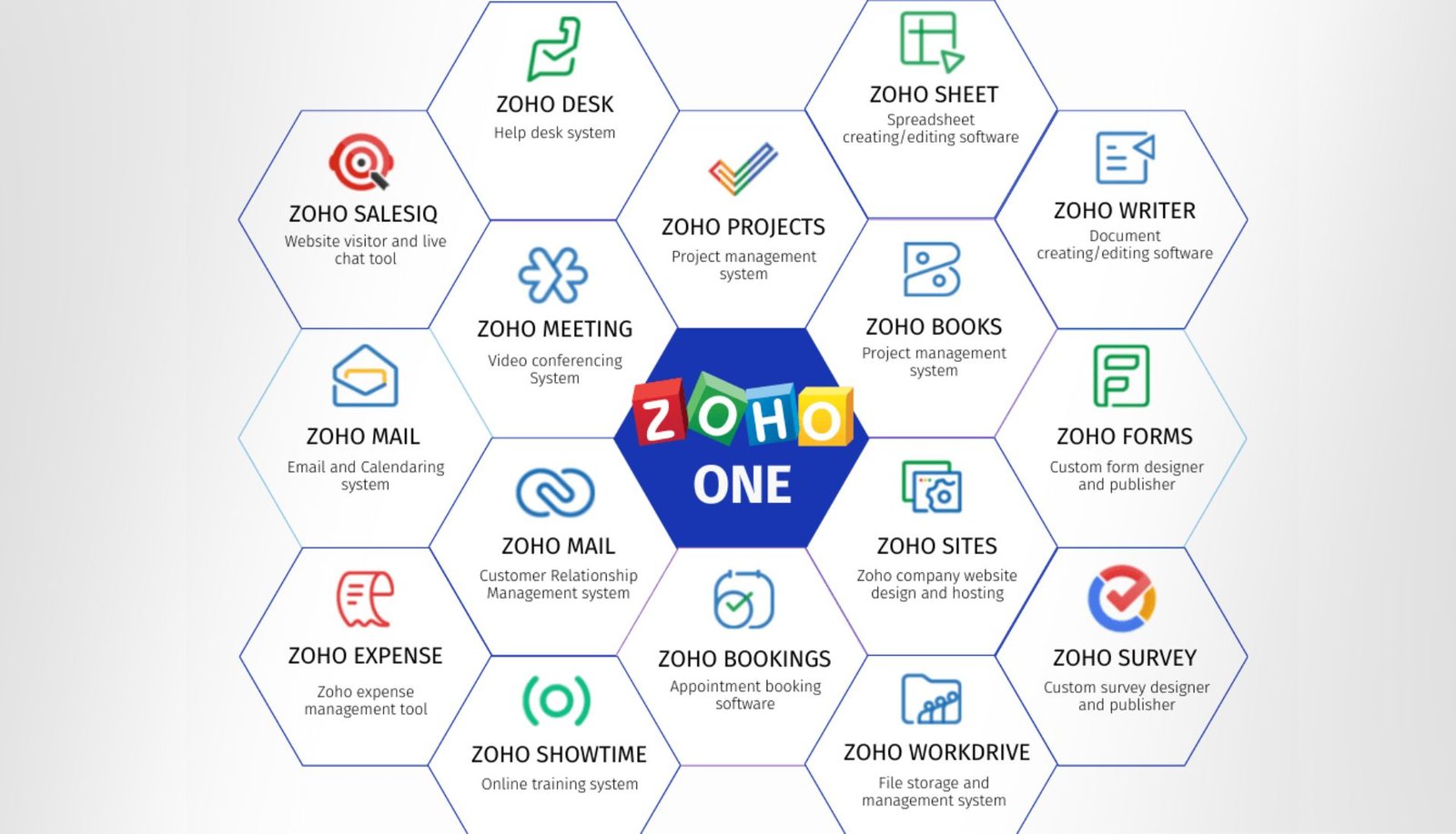
Zoho One solves these issues by combining over 40 integrated business applications into a single ecosystem. For service businesses,
this means one platform to manage the entire customer lifecycle—from lead generation to service delivery and billing.
With Zoho One, all teams work on the same data, follow the same processes, and operate with complete transparency.
This connected approach reduces confusion, improves accountability, and creates smoother workflows across departments..
How Zoho One Supports the Service Industry
Zoho One supports service businesses through practical, day-to-day functionality:
➤ Centralized CRM: Manage leads, clients, and interactions in one place
➤ Service & Task Management: Track service requests, projects, and timelines clearly
➤ Automation: Reduce manual work with automated follow-ups, reminders, and approvals
➤ Finance Integration: Handle quotations, invoices, payments, and compliance seamlessly
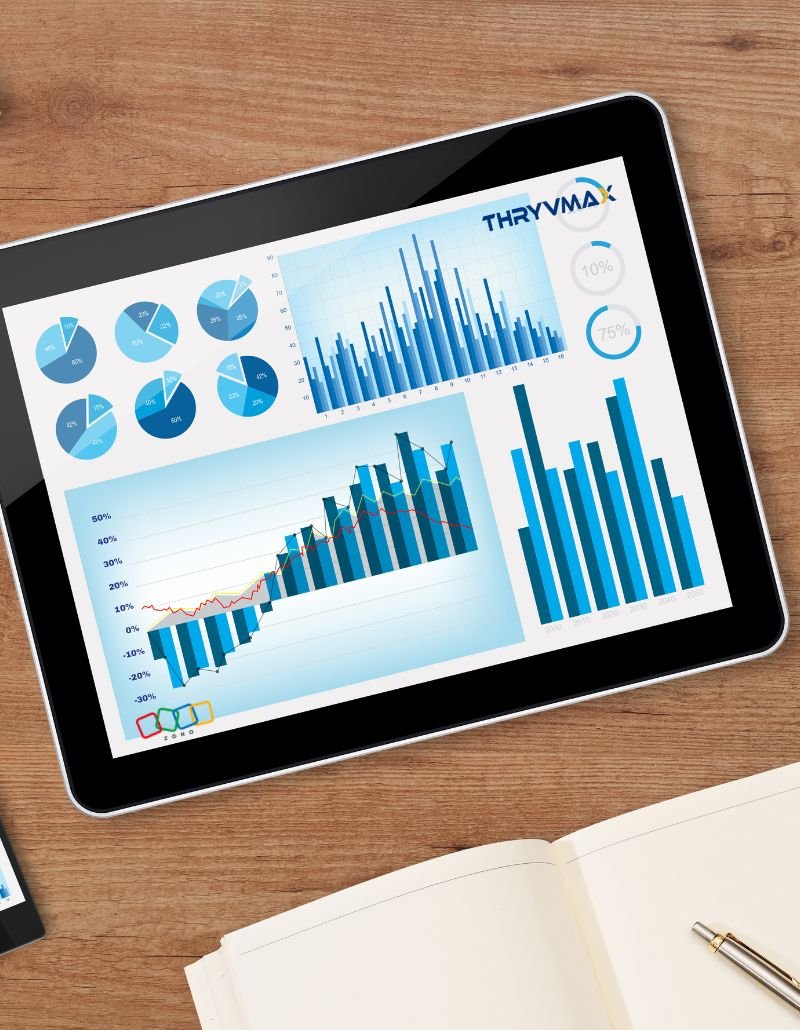
➤ Real-Time Reporting: Access dashboards that show performance, revenue, and workload
Many service companies working with Thryvmax Systems adopt Zoho One not just as software, but as a structured way of
working—aligning tools with real operational needs rather than forcing rigid processes.
The Real Impact of Zoho One on Service Businesses
When implemented correctly, Zoho One transforms how service organizations operate. Teams spend less time managing tools and more time delivering value.
Businesses often experience:
➤ Faster response times and better follow-ups.
➤ Improved customer satisfaction.
➤ Reduced manual errors and rework.
➤ Clear visibility into operations and finances.
➤ Scalable systems that support growth.
This shift allows service businesses to move from reactive problem-solving to proactive, data-driven management.
At Thryvmax Systems, this is often the point where teams start trusting the system and relying on it for daily decisions.
Is Zoho One Right for Your Service Business?
Zoho One is well-suited for service businesses that:
➤ Want to replace multiple tools with one integrated platform.
➤ Need better visibility into operations and performance.
➤ Are looking to automate routine tasks without adding complexity.
➤ Plan to scale while maintaining control and efficiency.
For service organizations seeking clarity, consistency, and long-term growth, Zoho One provides a strong foundation. With the right implementation approach
such as the structured methods followed by teams like Thryvmax Systems, it becomes more than software; it becomes a business operating system.